Food and grease contamination
Kitchen-adjacent turf and outdoor-kitchen borders collect grease and food residue that stain fibers and feed bacteria no plain rinse will lift.
Commercial property type • Restaurants, bars & breweries
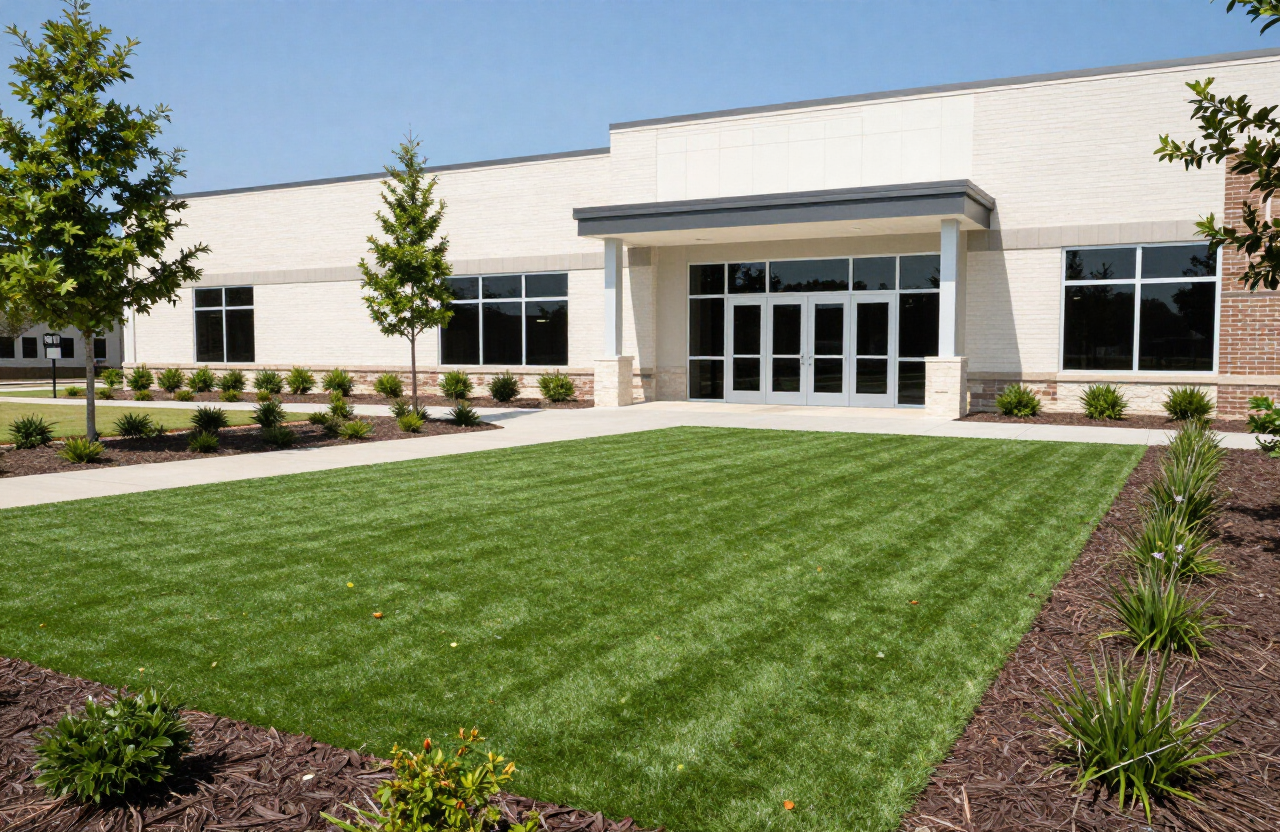
Food spills, grease, glass, heavy foot traffic and event load make hospitality turf a hygiene and appearance challenge that a landscaper rinse cannot solve.
Restaurants, bars and breweries use artificial turf to soften patios, beer gardens, event lawns and rooftop dining spaces with a clean, green surface that needs no mowing or irrigation. But hospitality turf absorbs a unique mix of food spills, grease, sticky drinks, glass, ice, cigarette waste and heavy event traffic that ordinary turf cleaning does not address.
Spills and organic residue collect in infill and against backing, feeding bacteria and odor in the Houston heat. Matted fibers in traffic lanes between tables and bars make a brand-new patio look tired within a season. And because guests photograph and review these spaces, appearance and cleanliness directly affect the guest experience.
SynTurf Care+ scopes hospitality turf around service windows that do not disrupt service, spill and stain response appropriate to food-and-beverage environments, sanitizing for shared guest surfaces, and grooming that keeps the patio photographable between visits.
Quick scan
Each property type stresses artificial turf and rubber surfacing in predictable ways. Naming the risk shapes the scope before the first visit.
Kitchen-adjacent turf and outdoor-kitchen borders collect grease and food residue that stain fibers and feed bacteria no plain rinse will lift.
Spilled drinks, syrups and ice leave sticky infill that captures debris; broken glass in event turf is a guest-safety and cleanup challenge.
Busy service nights and private events pack infill and mat fibers in the lanes guests walk between tables, bars and restrooms.
Food and drink residue in infill decomposes in Gulf Coast heat, producing odor guests notice on warm patios and rooftop spaces.
Dropped embers and hot equipment can melt or burn turf fibers, leaving localized damage that needs patch or repair evaluation.
Hospitality turf is photographed constantly. Dull, stained or matted turf shows up in guest photos and reviews before management walks the patio.
Commercial surfaces serve residents, guests, children and pets who did not choose the maintenance program. Safety and hygiene drive scope, not appearance alone.
Patios and beer gardens are shared dining surfaces. Pet-conscious, non-toxic sanitizing appropriate to food-and-beverage zones reduces bacterial load guests and staff contact.
Thorough debris and glass removal protects barefoot guests and pets in outdoor dining and event turf.
Seams and transitions between turf, pavers and decking can lift under furniture and foot traffic. Early repair reporting limits guest trip exposure.
Sticky drink spills can make infill and fibers slick. Spill response restores traction and removes the residue feeding odor.
A commercial assessment walks the property before quoting. These are the items that change scope, scheduling, access and price.
01
Map patio, beer garden, event lawn and rooftop turf square footage, plus transitions to pavers, decking and outdoor kitchens.
02
Identify kitchen-adjacent borders, bar rails and outdoor-kitchen edges where grease and food residue concentrate.
03
Note the paths guests walk between tables, bars and restrooms — these lanes compact and mat first.
04
Confirm cleaning can happen outside service hours — overnight, pre-service morning, or closed days — so product can dry before guests arrive.
05
Align recurring cleaning with event load; schedule event-recovery cleaning after large private events or festivals.
06
Walk for burns, melted fibers, open seams and lifted transitions before quoting any repair separately.
A real commercial program is more than a rinse. Scope is built around use pattern, traffic, pet load and the surfaces actually present on the property.
Targeted treatment of food, drink and grease zones to lift residue from infill and fibers rather than pushing it deeper.
Pet-conscious, non-toxic sanitizing for shared guest surfaces, with deodorizing that addresses organic odor at the source.
Power brushing to lift matted traffic lanes, infill redistribution and a finishing groom so the patio photographs clean.
Post-event cleanup and a running repair list for burns, seams and transitions — repair work quoted and approved separately.
Commercial buyers need documentation, not promises. These controls keep property managers, boards and facility leads informed at every visit.
Photo report after every visit showing serviced zones, before/after images and products used
Service scheduled outside operating hours so patios are guest-ready before service
Spill and grease zones called out specifically rather than treated as ordinary turf
Repair items separated from cleaning and quoted for approval before any work
Recurring cadence aligned to event calendar and seasonal traffic
Vendor documentation available for hospitality-group onboarding
The details that separate a generic vendor visit from a specialty commercial turf-care program tailored to this property type.
We treat grease, sticky spills and glass as hospitality-specific problems, not generic debris — the right products and process for dining turf.
Cleaning timed to dry before guests arrive means no wet, sticky patio during service and no service disruption.
Power brushing and grooming restore the look guests photograph, so the patio reads as intentional design, not worn carpet.
Planned post-event cleanup keeps high-volume nights from permanently degrading the surface.
Illustrative situations based on how these properties actually use turf and rubber surfacing — not claimed project results or testimonials.
Brewery beer garden
A busy beer garden collects spilled drinks and glass in infill, with matted fibers in the lane between the bar and tables.
Typical next step: Spill extraction, glass removal, power brushing and grooming on a recurring post-weekend cadence.
Restaurant patio
Turf bordering an outdoor kitchen develops grease staining and odor from food residue in the heat.
Typical next step: Targeted grease-zone treatment, sanitizing and stain response, then quarterly recurring cleaning.
Rooftop event space
After a private event, the rooftop turf is littered with debris, spills and matted traffic lanes.
Typical next step: Scheduled event-recovery cleaning — debris removal, spill extraction, power brushing and grooming.
Recurring cadence, between-visit upkeep and early-warning reporting keep commercial surfaces presentable and extend service life.
Recurring cleaning scheduled outside service hours, with event-recovery visits after large private events or festivals.
Daily debris removal and prompt spill blotting by front-of-house staff reduce staining and odor between professional visits.
Kitchen-adjacent borders flagged each visit so grease is treated before it permanently stains fibers.
Burns, melted fibers and lifted transitions reported early so repairs stay small and localized.
Gulf Coast heat and humidity, clay soils, Central Texas sun and concentrated pet use shape how commercial synthetic turf ages across our service markets.
Houston-area heat reactivates trapped moisture, bacteria and odor compounds in commercial infill. Surfaces that read clean in the morning can smell stronger by afternoon, especially in pet relief areas and shaded courtyards.
Many Greater Houston commercial sites sit over expansive clay. Settlement and edge movement show up as low spots, open seams, wrinkling and drainage that worked at install but slows later — important to catch before a trip hazard forms.
Austin, San Antonio and Waco sun accelerates fiber fade and makes matted blades look permanently worn even when the pile can still be restored with decompaction, grooming and infill redistribution.
Apartment bark parks, kennels and pet-relief zones across Houston, Austin, San Antonio and Waco concentrate urine in small footprints. Odor control and infill decompaction usually drive scope more than appearance cleaning.
See neighborhood coverage in our service areas directory for Houston metro, Austin, San Antonio and Waco-area communities.
Commercial turf cleaning, repair & rubber surfacing
Full commercial program overview — industries, scope, programs and operations.
Turf Cleaning & Maintenance
Deep power-brushing, sanitizing, deodorizing and grooming for synthetic turf.
Turf Repair & Restoration
Seam, edge, burn, wrinkle, low-spot and drainage repair — separately quoted and approved.
Pet Turf & Odor Treatment
Enzyme-based pet urine odor treatment and infill decompaction.
Playground Turf Cleaning
Turf, rubber surfacing and equipment cleaning for play areas.
Service Areas
Houston, Austin, San Antonio and Waco-area neighborhood coverage.
Straight answers for commercial property managers, boards and facility leads. If your property is different, send photos and we will respond with what we can see.
Yes. We schedule cleaning outside operating hours — overnight, pre-service morning, or closed days — and plan dry time so the patio is guest-ready before service. We confirm the service window during the site assessment.
Tell us about the property and surfaces. We will walk the site, define scope and send a written proposal — cleaning, odor treatment and repairs are evaluated separately and approved before work.